Independent identities
Typography, color, hierarchy, interaction patterns, and tone are different on purpose.
A story world developed across twenty-five years of writing, print, film, artifacts, music, and code—now expressed as a network of believable digital properties.
The Veil did not begin as a transmedia exercise. Its earliest fragments date to 2001, when the central ideas were still rough: places bleeding into one another, impossible landscapes, Drantos, and people trying to understand a world whose rules had shifted.
Over the years the project kept changing form. Prose became illustrated pages. Pages became booklets and short films. Fictional documents became physical objects. Eventually the story expanded into websites that could exist in the same open web as everything else.
The useful through-line is not a single visual style. It is a repeated attempt to make the fictional world feel tangible. Each generation used the tools available at the time.
The earliest writing established pieces of the world long before there was a formal system around it. Names, places, crossings, and the architecture of Drantos appear in material that predates the current novel by decades.
The point is continuity, not preservation for its own sake: ideas survived even when plot, characters, and language changed around them.
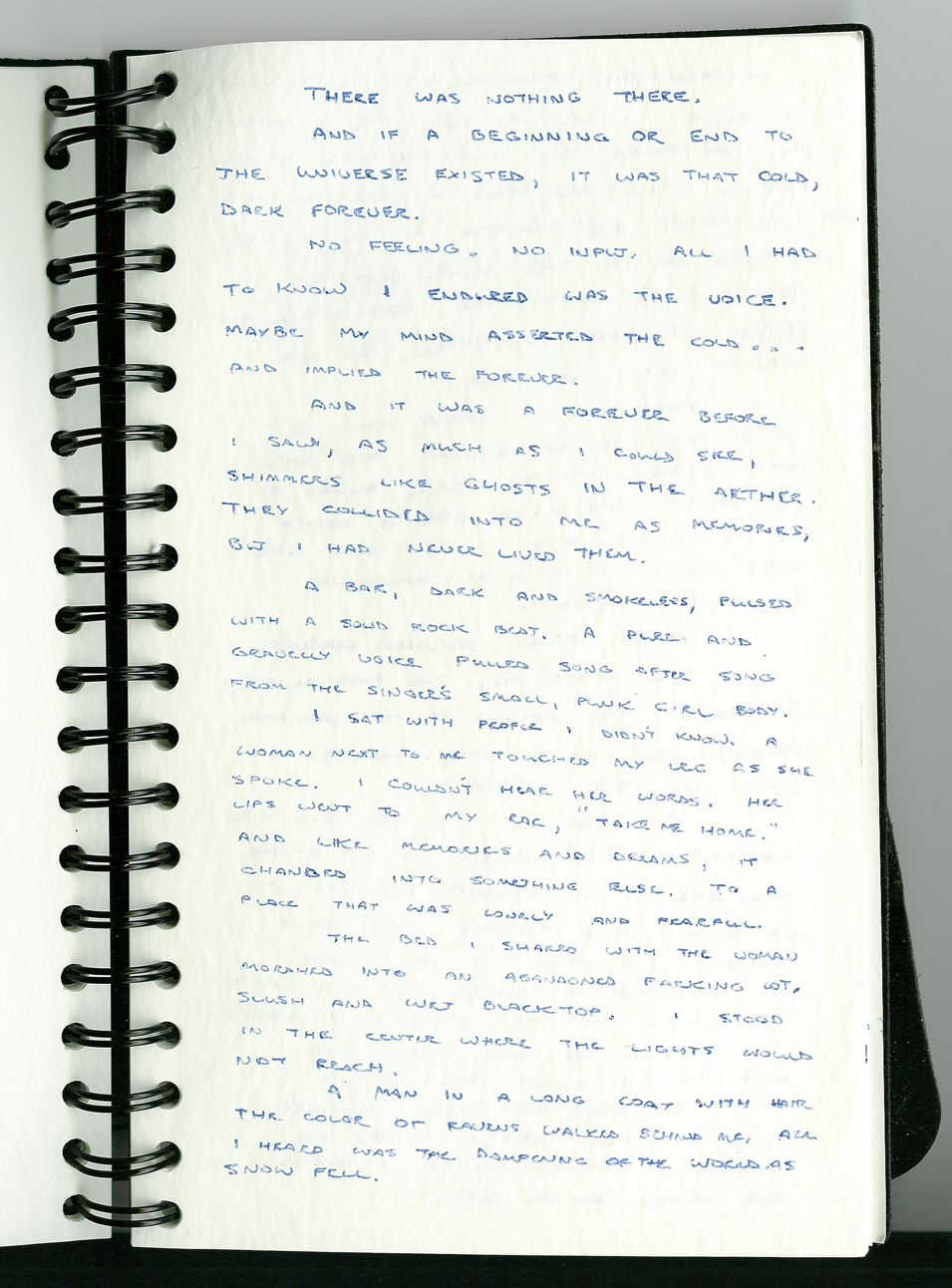
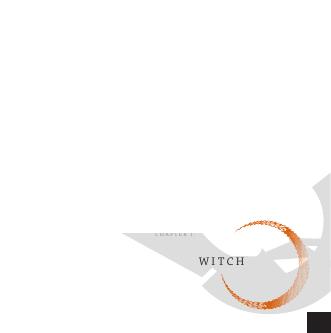
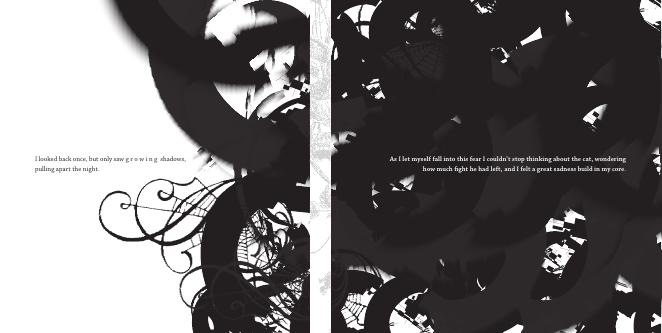
Early booklet experiments pushed the work beyond manuscript pages. Typography, image, pacing, and physical sequence became part of the reading experience—the first sign that the project wanted more than prose alone.
An illustrated version of the opening chapter treated the page as a narrative surface. Ink, negative space, interruptions, and changing density carried atmosphere alongside the text.
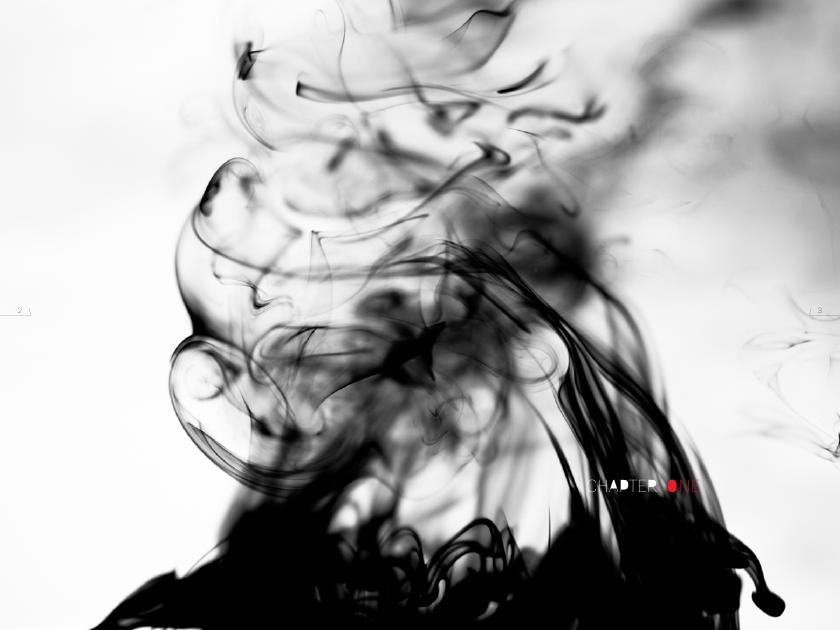
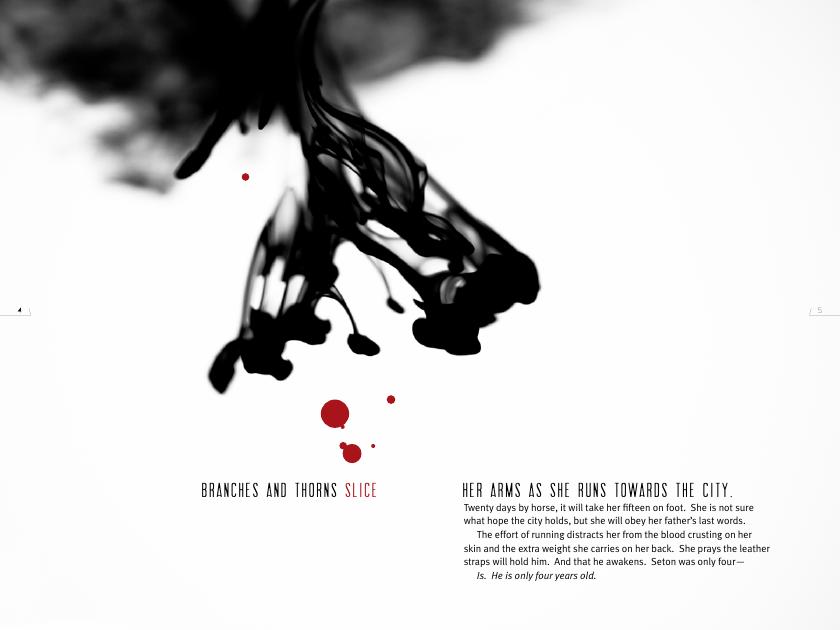
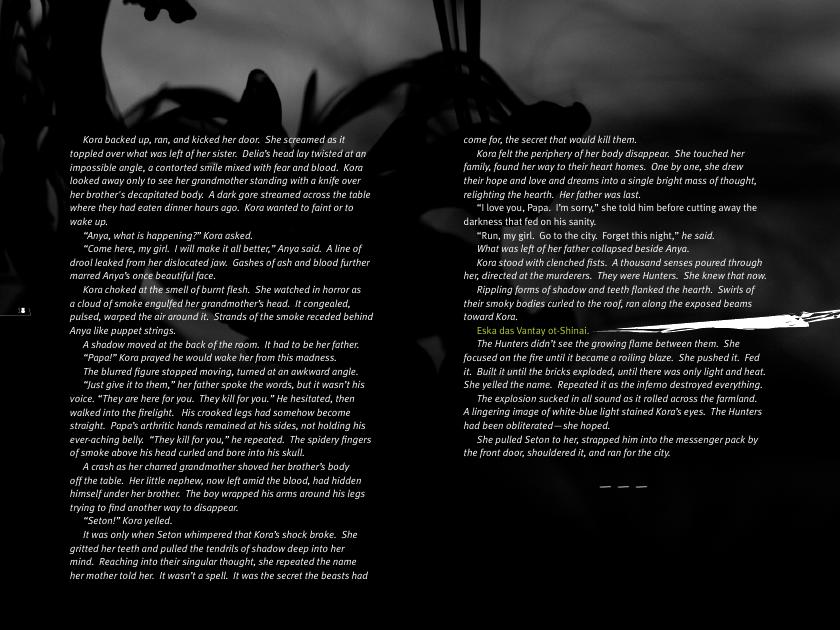
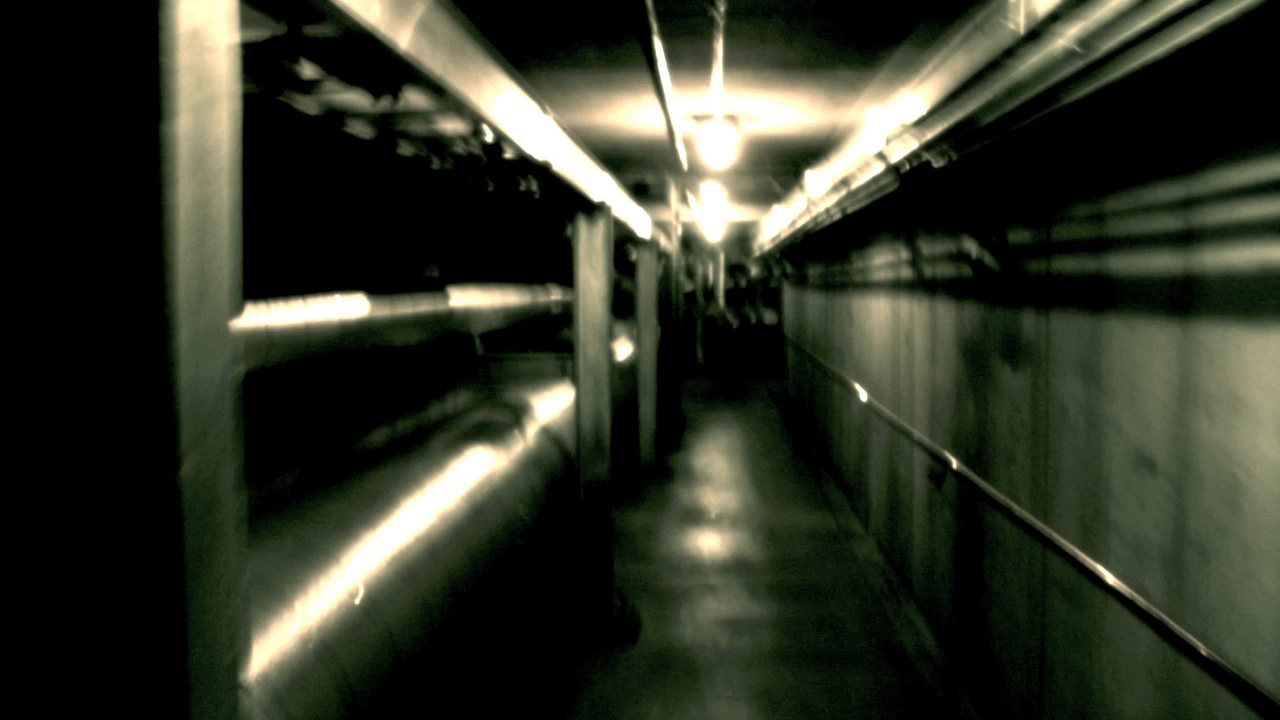
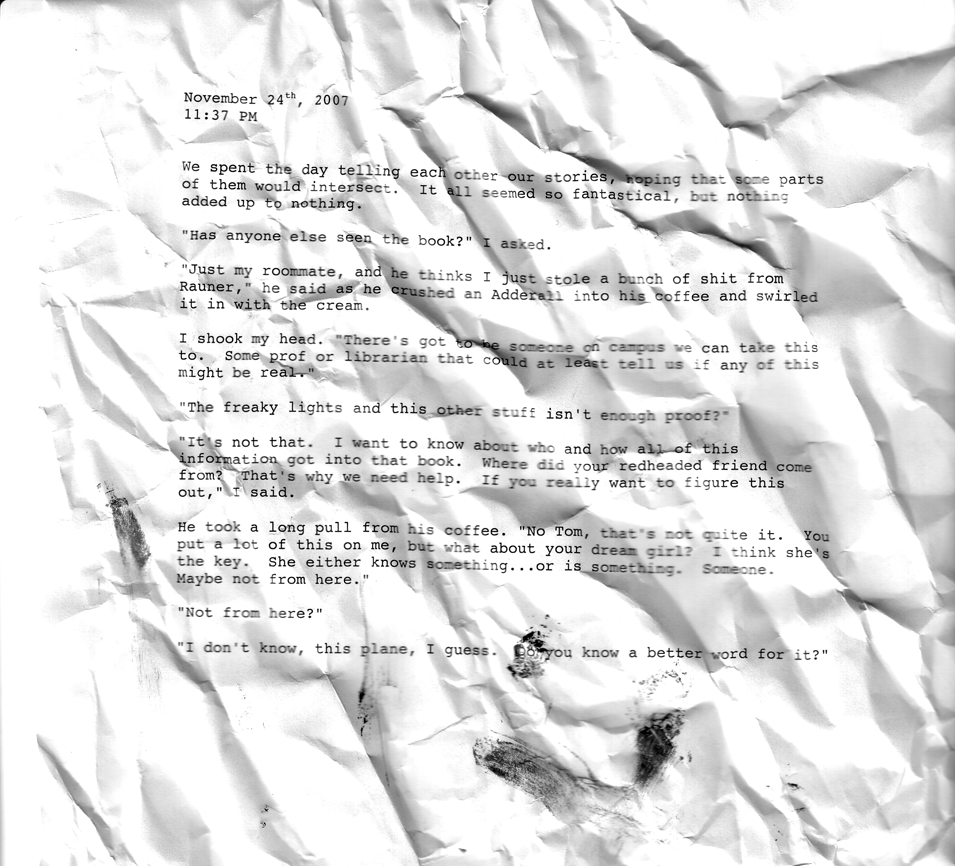
Short video pieces tested motion, sound, rhythm, and atmosphere. Other experiments turned writing into photographed evidence: journals, printed entries, crumpled pages, and objects that looked as though they had passed through the hands of the characters.
The project grew from works that reward exploration: stories with worlds behind worlds, documents that behave like evidence, mythic journeys, mysteries, and narratives that trust the audience to connect pieces for themselves.
Those influences are a creative lineage, not a template. The current system translates the same appetite for discovery into contemporary forms.
Wyman Laboratory, Arkweather, and The Mirror Home are the newest expression of the same impulse: make the world feel discoverable rather than explained. Each property has to succeed as a website before it succeeds as fiction.
Wyman is the densest property in the system: research areas, people, publications, observations, data, news, funding, facilities, and a separate field-device experience.
The desktop site behaves like a credible institutional research site. On mobile, a separate field interface can surface operational observations, messages, archive records, and status information without simply shrinking the desktop experience.
Arkweather is intentionally practical: instruments, field systems, deployment services, station data, and long-duration support. The narrative layer is secondary to a believable commercial identity.
The interface shifts away from Wyman's institutional density toward product families, deployment logic, field service, station status, and technical support.
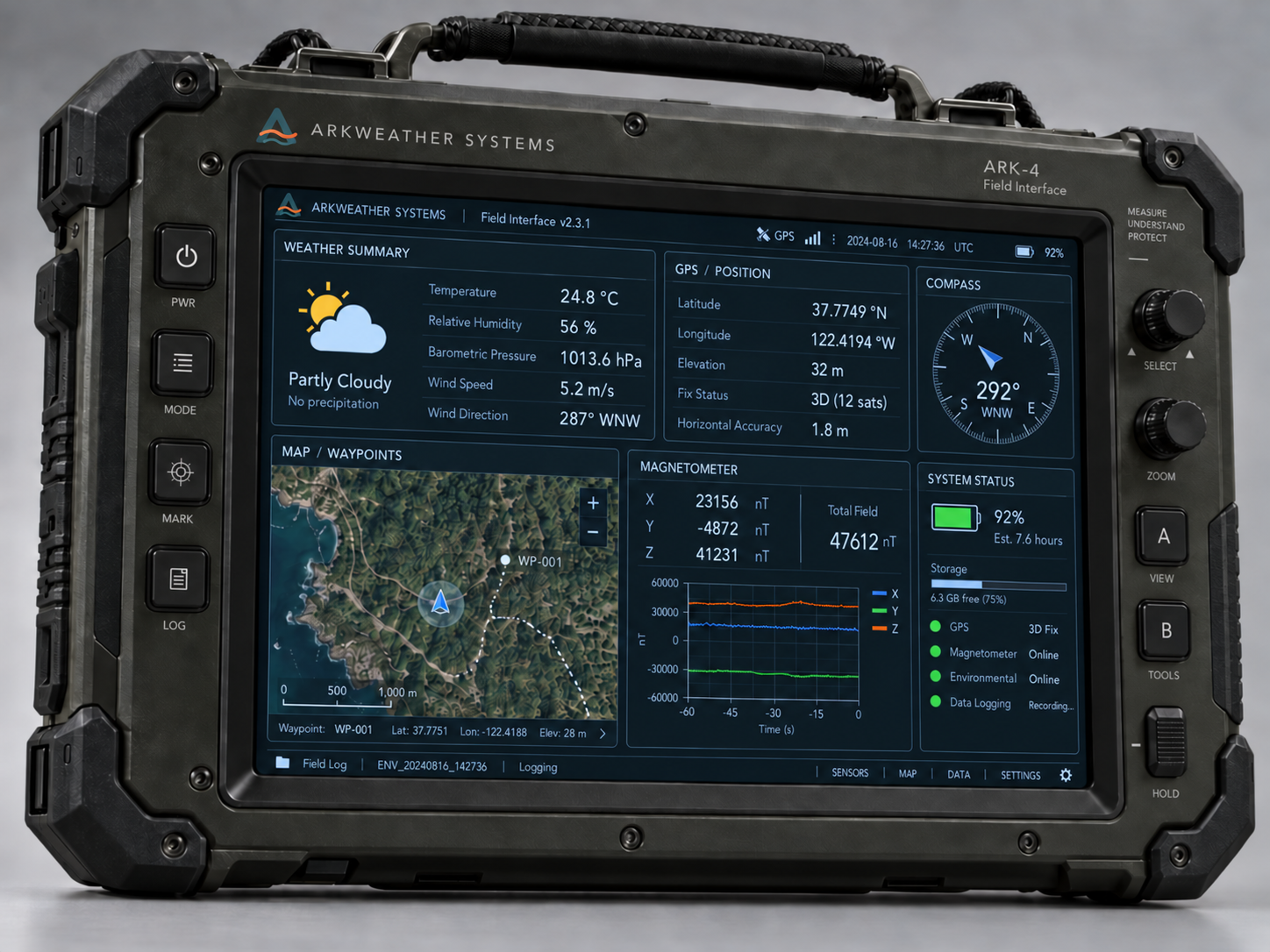
The current systems build carries the same visual language from the commercial site into specific instruments and field hardware.
Open current ARK-4 page →The Mirror Home is not presented as a fictional organization. It is a real music project whose archive layer slowly exposes correlations with the larger narrative system.
Signals, artifacts, field notes, recovered text, and metadata operate as normal content first. The transmedia layer works because visitors can encounter a complete music project without being required to understand the larger story.
Typography, color, hierarchy, interaction patterns, and tone are different on purpose.
Personnel, records, locations, data, signals, and terminology form the connective tissue.
The properties are functioning responsive sites rather than static narrative props.
A visitor can use any one site without knowing the larger system exists.
AI tools supported parts of the exploration and production workflow—rapid visual studies, code iteration, prototyping, and selected production tasks. The underlying narrative architecture, project strategy, information systems, editorial decisions, and final design direction remained human-led.
The point was not to make an “AI project.” It was to use available tools to move faster across a project with an unusually large number of interconnected parts.
The system succeeds when the properties feel unrelated at first glance. Wyman can be read as a research institution, Arkweather as a field-systems company, and The Mirror Home as an independent music archive. Only later do the overlaps become meaningful.